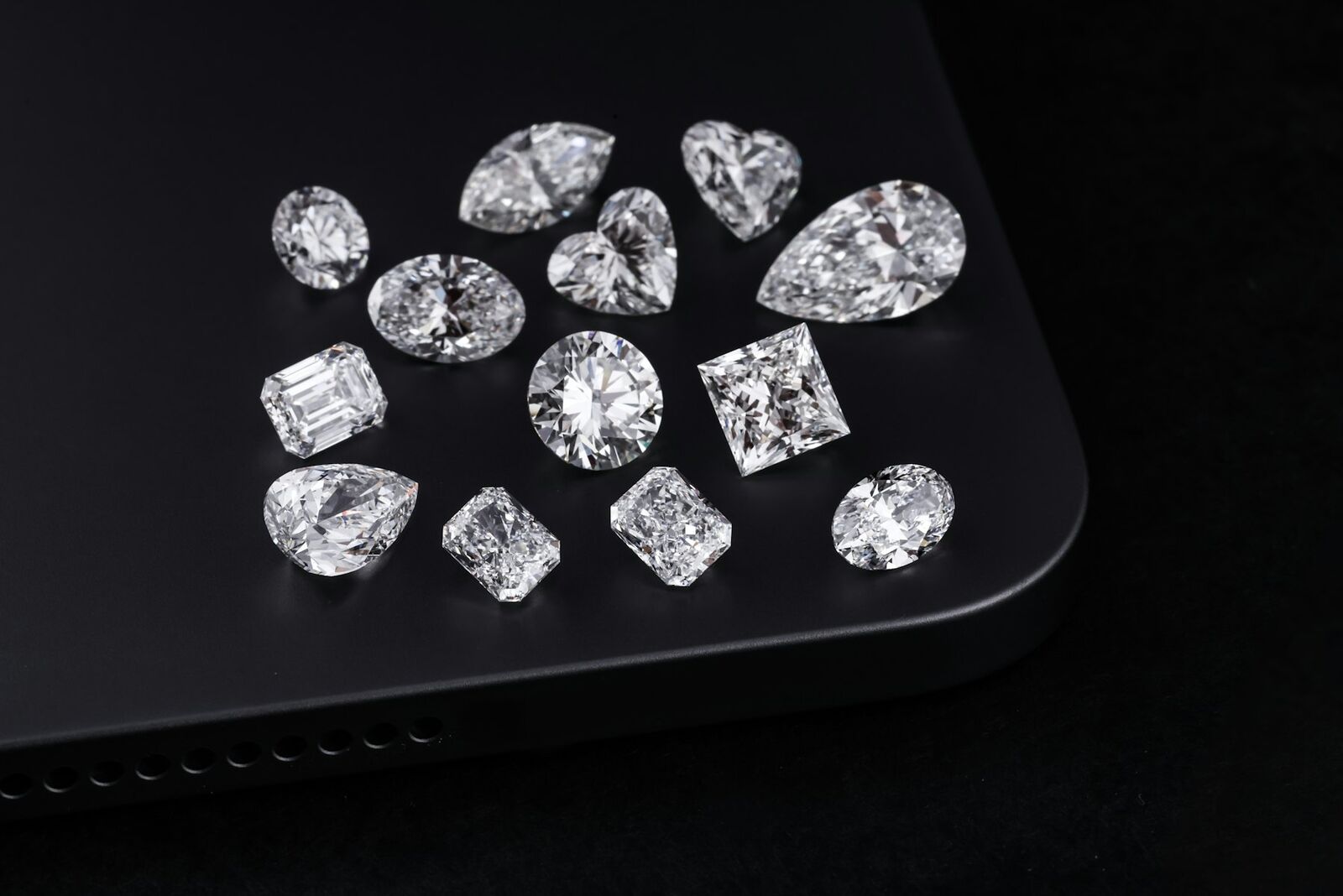
Real diamond. Grown, not mined.
Set to order in gold and platinum. Certified, never simulant.
Start your piece- IGI certified
- 14k, 18k, platinum
- Never CZ
The Pieces
The Stone
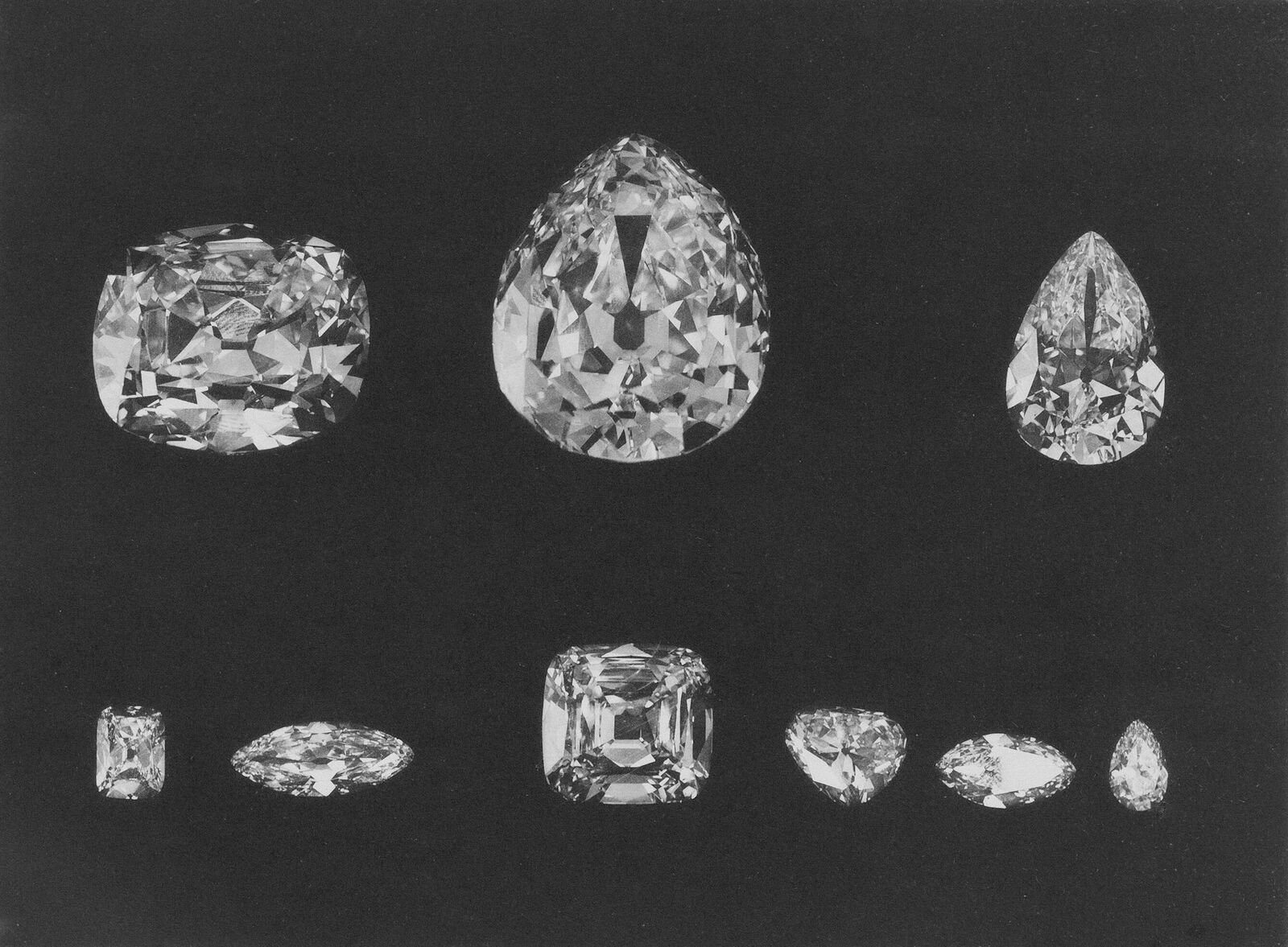
- Carbon, pressure, heat. Chemically, physically and optically diamond.
- Graded by IGI or GIA, laser-inscribed on the girdle.
- Never cubic zirconia. Never moissanite.
- Tests as diamond on any tester.
Journal
Men's lab diamond rings: what to choose
On a man's hand, restraint reads as confidence. For a flush-set or bezel-set stone in a band or signet, 0.25 to 0.50 ct is clearly visible without shouting. 0.75 to 1.0 ct makes a firm statement and still sits low enough for daily wear. Past 1 ct, a raised setting starts to catch on pockets, gloves and gym equipment.
Flush and bezel settings suit everyday wear because metal surrounds the stone completely. There are no prongs to snag, bend or loosen, and the edge of the stone is protected from knocks. A prong setting shows more light but asks for more care.
14k gold carries more alloy, so it is harder and resists scratches and dents a little better. It suits a ring worn every day, including through manual work. 18k gold has a richer, warmer colour and a softer surface that takes on a satin patina over time. White gold in either karat is rhodium plated and needs replating every year or two.
Platinum is dense. A platinum band weighs roughly 60 percent more than the same band in 14k gold, and the weight is noticeable on the hand. It never needs plating, and when scratched the metal moves rather than wears away.
The signet with a diamond
A diamond signet works best when the stone sits flush with the face. Set at the centre, it reads as part of the ring rather than an addition, and it is protected from daily knocks. A stone of 0.10 to 0.50 ct suits most faces; a larger face carries up to 1 ct.
An offset stone, placed toward one edge or corner, leaves room for initials or a crest across the rest of the face and gives a less formal look. Keep an offset stone small so the face stays balanced.
Face shape sets the character. An oval face is the classic signet: it runs lengthwise along the finger and flatters most hands. A cushion face, a softened square, reads more modern and pairs naturally with a cushion or round stone. Faces of 10 to 14 mm suit most men's hands.
Traditionally a signet is worn on the little finger of the non-dominant hand, the left for most people. It also sits well on the ring finger, or on the right hand. Size it for the finger it will live on: the little finger is usually several sizes smaller than the ring finger.
The inside of the shank takes up to 20 characters of engraving: a date, initials or coordinates, private to the wearer.
Tennis chain sizing
Link width decides the presence of a tennis chain. 3mm is fine and discreet, easy to layer and a good first chain. 4mm is the most popular men's width: clearly visible, still easy to wear under an open shirt. 5mm is a statement that shows from across the room.
Total carat weight rises quickly with width. For a 20 in chain, expect about 7 ct at 3mm, about 12 ct at 4mm and about 20 ct at 5mm. Adding or removing length changes the total in proportion.
For men, 18 to 22 in covers most choices. 18 in sits at the base of the neck, 20 in rests on the collarbone and suits an open collar, and 22 in falls lower, for layering or a broader build. If unsure, measure a chain already owned.
The clasp matters more than it seems. A box clasp with a double safety, two hinged latches on the sides, keeps the chain closed even if the main tongue is knocked open.
Four-prong links show the most diamond and light, with each stone held at its corners. Bezel links wrap each stone in a thin rim of metal: a cleaner, more modern line, more protection and slightly less brilliance.
Questions
Is it a real diamond?
Yes. Lab-grown diamond is diamond, the same carbon crystal. Not cubic zirconia, not moissanite.
Is it certified?
Stones of 0.30 ct and up come with an IGI or GIA report.
Can I engrave it?
Yes, up to 20 characters inside the band.
How long does it take?
Most rings are ready in 3 to 4 weeks, tennis chains, bracelets and studs in 2 to 3. Platinum and stones over 3 carats add about a week. Your quote confirms the date.
How do I pay?
Each piece is quoted individually. Payment details come with the quote.
Can I resize later?
Rings can be resized one size up or down. Eternity and tennis styles are made to size.
New pieces, first.
Thank you.